ラベル アメリカ の投稿を表示しています。 すべての投稿を表示

2017年12月11日月曜日

北朝鮮のゆで卵[Euna Lee]


ユナ・リー
Euna Lee: 

北朝鮮での拘束生活で、見えてきたもの
What I learned as a prisoner in North Korea


00:12

最近『ハーバード・ビジネス・レビュー』で 若者が仕事に何を求めているかについての 記事を読みました
I recently read about what the young generation of workers want in Harvard Business Review. 

印象的だったのは
One thing that stuck out to me was: 

ただ語るだけでなく 実際に何らかの影響を 与えようとしていることです
don't just talk about impact, but make an impact. 

私は 皆さんより ちょっと年上ですが―
I'm a little bit older than you, 

いや だいぶ年上かもしれませんが
maybe much older than you, 

私が大学時代に抱いていた目標も これと まったく同じものでした
but this is exactly the same goal that I had when I was in college. 

不公正な扱いを受けている人に 自分なりに 影響を与えたいと思っていました
I wanted to make my own impact for those who live under injustice; 

だから ドキュメンタリーを扱う 記者になったわけですが
it's the reason that I became a documentary journalist, 

同じ理由で 北朝鮮で140日間 拘束されることにもなりました
the reason I became a prisoner in North Korea for 140 days.


00:51

2009年3月17日のことです
It was March 17, 2009. 

皆さんにとっては 聖パトリックの祝日でしょうが
It is St. Patrick's Day for all of you, 

その日 私の人生は 180度変わることになりました
but it was the day that turned my life upside down. 

当時 私たちは 人間らしい生活すらかなわない― 中国の脱北者の姿を追い ドキュメンタリーを制作していました
My team and I were making a documentary about North Korean refugees living below human life in China. 

私たちは国境にいました
We were at the border. 

撮影最終日のことです
It was our last day of filming. 

そこには鉄条網も 柵も 国境を示すものは 何もありませんでした
There was no wire fence or bars or sign to show that it is the border, 

でも そこが 多くの脱北者が使う― 逃避経路だったのです
but this is a place that a lot of North Korean defectors use as an escape route. 

まだ冬で 川も凍っていました
It was still winter, and the river was frozen. 

私たちは 凍った川の真ん中に立ち
When we were in the middle of the frozen river, 

北朝鮮の人たちが 自由を手に入れるために どのような寒さや環境に 立ち向かわねばならないか 撮影していました
we were filming about the condition of the cold weather and the environment that North Koreans had to deal with when they seek their freedom. 


突然 取材班の1人が叫びました
And suddenly, one of my team members shouted, 

「兵士だ!」
"Soldiers!" 

振り向くと
So I looked back, 

緑色の制服を着てライフル銃を持った 2人の小さな兵士が 追いかけてきていました
and there were two small soldiers in green uniforms with rifles, chasing after us. 

私たちは全速力で走りました
We all ran as fast as we could. 

どうか頭を撃たないで と祈りました
I prayed that, please don't let them shoot my head. 

それと同時に 中国側の国土に 両足を踏み入れさえすれば 安全だとも考えていました
And I was thinking that, if my feet are on Chinese soil, I'll be safe. 

私は なんとか中国に入りましたが
And I made it to Chinese soil. 

同僚のローラ・リンが 膝からくずれるのを見ました
Then I saw my colleague Laura Ling fall on her knees. 

一瞬 何をどうすればいいのか 分かりませんでしたが
I didn't know what to do at that short moment, 

ローラの言葉を聞き 置いては行けないと思ったのです
but I knew that I could not leave her alone there when she said, 

「ユナ 脚の感覚がない」 と言ったのです
"Euna, I can't feel my legs."

02:35

あっという間に
In a flash, 

私たちは 2人の北朝鮮兵に囲まれていました
we were surrounded by these two Korean soldiers. 

北朝鮮兵の体格は 私たちと大差ありませんでしたが
They were not much bigger than us, 

2人は陸軍基地に 連行しようとしていました
but they were determined to take us to their army base. 

私は 何とか助けてほしいと 懇願し叫びました
I begged and yelled for any kind of help, 

中国側から誰か 現れはしないかと期待しながら
hoping that someone would show up from China. 

銃を持ち 訓練された兵士に対しても 果敢に挑む自分がいました
Here I was, being stubborn towards a trained soldier with a gun. 

私は 兵士の目をじっと見ました
I looked at his eyes. 

彼はまだ子どもでした
He was just a boy. 

その瞬間
At that moment, 

彼はライフル銃を振りかざし 私をぶとうとしました
he raised his rifle to hit me, 

でも彼には ためらう様子が 見て取れました
but I saw that he was hesitating. 

目は小刻みに動き
His eyes were shaking, 

ライフル銃も宙に浮いたままです
and his rifle was still up in the air. 

私は叫びました
So I shouted at him, 

「わかったわ 一緒に歩いて行くから」
"OK, OK, I'll walk with you." 

私は立ち上がりました
And I got up.

03:26

陸軍基地に到着したとき
When we arrived at their army base, 

私は 最悪の事態に備え 頭の中で必死に考えていたのですが
my head was spinning with these worst-case scenarios, 

同僚が口にしたことは 何の助けにもなりませんでした
and my colleague's statement wasn't helping. 

「私たちは敵ね」と言ったのです
She said, "We are the enemy." 

確かにそのとおりで
She was right: 

私たちは敵でした
we were the enemy. 

そしてずっと恐怖に 震えるはずでした
And I was supposed to be frightened, too. 

でも 奇妙な出来事が続きました
But I kept having these odd experiences. 

このときは ある役人が 私が温まれるようにと 自分のコートを 差し出してくれました
This time, an officer brought me his coat to keep me warm, 

凍った川の上で 兵士の1人ともみあっているうちに 私がコートをなくしていたからです
because I lost my coat on the frozen river while battling with one of these soldiers.

04:02

なぜ これが奇妙なのか お話ししましょう
I will tell you what I mean by these odd experiences. 

私が育った韓国では
I grew up in South Korea. 

北朝鮮はいつも敵とされてきました
To us, North Korea was always the enemy, 

私が生まれる前からです
even before I was born. 

北と南は 朝鮮戦争の終結以来 63年間 休戦状態にあります
South and North have been under armistice for 63 years, since the end of the Korean War. 

80年代、90年代に 韓国で育った私たちは
And growing up in the South in the '80s and '90s, 

北朝鮮に対するプロパガンダを 教え込まれてきました
we were taught propaganda about North Korea. 

生々しい話もたくさん聞きました
And we heard so many graphic stories, 

小さな男の子が 「共産主義者は嫌いだ」と言っただけで 北朝鮮のスパイに 無残な殺され方をしたといった風にです
such as, a little young boy being brutally killed by North Korean spies just because he said, "I don't like communists." 

こんなアニメ番組も見ました 韓国人の男の子が 丸々と太った赤い豚を打ち負かす話です
Or, I watched this cartoon series about a young South Korean boy defeating these fat, big, red pig, 

この豚は 当時の北朝鮮の 初代最高指導者を表しています
which represented the North Koreans' first leader at the time. 


こうした恐ろしい話を 何度も何度も聞かされて 幼い心に植え付けられた言葉が 「敵」なのです
And the effect of hearing these horrible stories over and over instilled one word in a young mind: "enemy." 

いつしか私は 彼らのことを人間とは思わなくなり
And I think at some point, I dehumanized them, 

北朝鮮に住む人たちを 北朝鮮政府と 同一視するようになっていました
and the people of North Korea became equated with the North Korean government.

05:23

さて 拘束されたときの話に戻ります
Now, back to my detention. 

あれは 独房に入れられて 2日目のことでした
It was the second day of being in a cell. 

私は 国境に出たときから 一睡もしていませんでした
I had not slept since I was out at the border. 

若い看守がやって来て 小さなゆで卵を差し出して 言ったのです
This young guard came to my cell and offered me this small boiled egg and said, 

「これを食べたら力がつくから」
"This will give you strength to keep going." 

どんな感じか分かりますか?
Do you know what it is like, 

敵の手中にありながら ささやかな親切を受けるのです
receiving a small kindness in the enemy's hand? 

親切にされるたび
Whenever they were kind to me, 

私は この優しさの後には 最悪の事態が待っているんだ と思っていました
I thought the worst case was waiting for me after the kindness. 

私が緊張しているのに気づいた役人は こう言いました
One officer noticed my nervousness. He said, 

「私たちが皆 あの赤い豚のようだ と思ってるのか?」
"Did you think we were all these red pigs?" 

さきほどお見せしたアニメのことを 言っているのです
referring to the cartoon that I just showed you. 

毎日 精神的な戦いを 強いられていました
Every day was like a psychological battle. 

尋問官は 私を机の前に座らせ 週6日間 私の旅程や仕事について 書かせました
The interrogator had me sit at a table six days a week and had me writing down about my journey, my work, 

彼らがほしい証言を私が書くまで 何度も何度もです
over and over until I wrote down the confession that they wanted to hear.

06:33

3か月の勾留ののち
After about three months of detention, 

北朝鮮の裁判所は判決を下し 労働教化刑12年が 言い渡されました
the North Korean court sentenced me to 12 years in a labor camp. 

私は自室でただ座って 移送を待っていました
So I was just sitting in my room to be transferred. 

そのとき 本当に 何もすることがなく
At that time, I really had nothing else to do, 

女性看守2人のことを 注意深く見て
so I paid attention to these two female guards 

2人の会話を聞いていました
and listened to what they were talking about. 

年上の方の看守Aは 英語を勉強していたようでした
Guard A was older, and she studied English. 

裕福な家庭の出身らしく
She seemed like she came from an affluent family. 

きれいな色のワンピースを よく着てきては 見せびらかしていました
She often showed up with these colorful dresses, and then loved to show off. 

もう1人の若い看守Bは すごく歌がうまい子でした
And Guard B was the younger one, and she was a really good singer. 

十八番がセリーヌ・ディオンの 『マイ・ハート・ウィル・ゴー・オン』で
She loved to sing Celine Dion's "My Heart Will Go On" -- 

時々 嫌になるくらい歌うんです
sometimes too much. 

意図せず 私を苦しめるのが 得意でした
She knew just how to torture me without knowing.

(笑)
(Laughter)


07:28

この看守は朝 すごい時間をかけて メイクをしていました
And this girl spent a lot of time in the morning to put on makeup, 

普通の若い女の子と同じようにです
like you can see in any young girl's life. 

それから2人は 番組として より質の高い― 中国制作のドラマが大好きでした
And they loved to watch this Chinese drama, a better quality production. 

あるとき 看守Bが 「これを見たら 自国のテレビ番組なんて 見る気がしないわ」と言って 怒られていました
I remember Guard B said, "I can no longer watch our TV shows after watching this." 

自国のテレビ番組を けなしてはいけないと
She got scolded for degrading her own country's produced TV shows. 

看守Bは 年上の看守Aよりも もっと自由な考え方をしていて
Guard B had more of a free mind than Guard A, 

自分の考えを口に出しては よく 看守Aに怒られていました
and she often got scolded by Guard A whenever she expressed herself.

08:10

あるとき 2人は 女性の同僚をみんな集めて―
One day, they invited all these female colleagues -- 

一体どこから来たのか分かりませんが―
I don't know where they came from -- 

私がいる勾留施設に来ました
to where I was held, 

私も看守の部屋に 呼ばれました
and they invited me to their guard room 

そして尋ねられたのが 「アメリカでは一夜限りの関係って 本当にあるの?」です
and asked if one-night stands really happen in the US.

(笑)
(Laughter)


08:29

ここは 若い男女が 公の場で手をつなぐことさえ 許されない国です
This is the country where young couples are not even allowed to hold hands in public. 

こんな情報をどこで 仕入れたのか分かりませんが
I had no idea where they had gotten this information, 

私が何か言う前から 彼女たちは 恥ずかしそうに くすくす笑っていました
but they were shy and giggly even before I said anything. 

誰もが 私が囚人だということを 忘れているようでした
I think we all forgot that I was their prisoner, 

私は高校時代の教室に 戻ったかのように感じました
and it was like going back to my high school classroom again. 

そして この子たちもまた 同じようなアニメを見て育っていました
And I learned that these girls also grew up watching a similar cartoon, 

ただプロパガンダが韓国とアメリカに 向けられているというだけです
but just propaganda towards South Korea and the US. 

ここの人々の怒りがどこから来るのか 分かってきました
I started to understand where these people's anger was coming from. 

この子たちが 私たちが敵だと 教えられて育てば
If these girls grew up learning that we are enemies, 

私たちを嫌うようになって 当然です
it was just natural that they would hate us 

私が彼らを怖がるのと 同じことです
just as I feared them.

でも あのときだけは 私たちは ただの女の子同士 同じ関心事について 語り合っていました
But at that moment, we were all just girls who shared the same interests, 

私たちを隔てるイデオロギーを 超越したところにいたのです
beyond our ideologies that separated us.

09:31

帰国してから カレントTVの当時の上司に このような体験について話したところ
I shared these stories with my boss at Current TV at the time after I came home. 

開口一番に言われたのがこれです
His first reaction was, 

「ストックホルム症候群って 知っているか?」
"Euna, have you heard of Stockholm Syndrome?" 

ええ 知っています
Yes, 

それに私ははっきり覚えています
and I clearly remember 

あの恐怖 脅されるときの感情
the feeling of fear and being threatened, 

そして尋問者との間で高まる緊張
and tension rising up between me and the interrogator 

話が政治に及ぶと いつも そうでした
when we talked about politics. 

お互いに乗り越えられない壁が そこにはありました
There definitely was a wall that we couldn't climb over. 

でも 人間同士でいられる時間も 確かにあったのです
But we were able to see each other as human beings 

家族のことや 日々の生活 子どもたちの将来の大切さを 語り合うときです
when we talked about family, everyday life, the importance of the future for our children.

10:18

帰国する1か月ほど前
It was about a month before I came home. 

私は ひどく体調を崩しました
I got really sick. 

看守Bが部屋に さよならを言いに来てくれました
Guard B stopped by my room to say goodbye, 

彼女は拘置所を 去ることになったのです
because she was leaving the detention center. 

彼女は 誰にも見られておらず 誰も聞いていないことを確認し
She made sure that no one watched us, no one heard us, 

静かに言ったのです
and quietly said, 

「体調が良くなって 家族のもとにすぐ戻れると良いわね」
"I hope you get better and go back to your family soon." 

この人たち―
It is these people -- 

私にコートを差し出してくれた役人
the officer who brought me his coat, 

ゆで卵をくれた看守
the guard who offered me a boiled egg, 

アメリカでの恋愛事情を 私に尋ねた女性看守たち
these female guards who asked me about dating life in the US -- 

こういった人たちが 私が北朝鮮と聞いて思い出す人たちなんです
they are the ones that I remember of North Korea: 

私たちと同じような人間です
humans just like us. 

北朝鮮人や私は 各国の大使ではありませんが
North Koreans and I were not ambassadors of our countries, 

私たちは人類を代表していたのだと 信じています
but I believe that we were representing the human race.

11:19

今 私は家に帰り 普段の生活に戻っています
Now I'm back home and back to my life. 

お話しした人たちの記憶は 時間とともに薄れてきました
The memory of these people has blurred as time has passed. 

そして ここにいると アメリカを挑発する北朝鮮について 見聞きします
And I'm in this place where I read and hear about North Korea provoking the US. 

ともすれば 彼らをまた敵だと 考えてしまいそうになります
I realized how easy it is to see them as an enemy again. 

だから私は あの場所にいたときのことを 思い起こすのです
But I have to keep reminding myself that when I was over there, 

あのとき 敵の目の中に 私が見たのは 憎しみよりも 人間らしさだったということを
I was able to see humanity over hatred in my enemy's eyes.

ありがとうございました
Thank you.

(拍手)
(Applause)


2017年5月2日火曜日

Smelfie におい自撮り[Ani Liu]


においの「自撮り」やその他の合成生物学的な実験
Smelfies, and other experiments in synthetic biology

アニー・リュー:
Ani Liu


0:11

もし 植物が土壌に含まれる― 毒性の強さを検知したり それを葉の色の変色で 表現することが出来たら?
What if our plants could sense the toxicity levels in the soil and express that toxicity through the color of its leaves? 

もし そのような植物が 土壌の毒性を 除去することさえできたなら?
What if those plants could also remove those toxins from the soil? 

または 植物が 自らのパッケージを作り出したり
Instead, what if those plants grew their own packaging, 


はたまた オーナーが 特許をもっている― 機械でしか収穫できないように デザインされていたら?
or were designed to only be harvested by their owners' own patented machines? 


生物学的デザインの方向性が 大量生産品と同じものになってしまったら 何が起こるでしょう?
What happens when biological design is driven by the motivations of mass-produced commodities? 


どんな世の中になるでしょうか?
What kind of world would that be?


0:42

私の名前はアニー
My name is Ani, 

MITメディアラボのデザイナーで研究者です
and I'm a designer and researcher at MIT Media Lab, 

「デザイン・フィクション」という 比較的新しい ユニークなグループの一員です
where I'm part of a relatively new and unique group called Design Fiction, 


この場所は SFと 科学が作り出す現実の狭間にあります
where we're wedged somewhere between science fiction and science fact. 

MITで私はとても幸運にも 様々な最先端分野の科学者たちと 親睦を深めています
And at MIT, I am lucky enough to rub shoulders with scientists studying all kinds of cutting edge fields, 

たとえば 合成神経生物学や 人工知能、人工生命や その間の様々な分野があります
like synthetic neurobiology, artificial intelligence, artificial life and everything in between. 


キャンパスの至る所に とても聡明な科学者たちがいて
And across campus, there's truly brilliant scientists asking questions like, 

「どうやったら世界をもっと 良くできるだろう」などと考えています
"How can I make the world a better place?" 

私達のグループが好む質問の一つは
And part of what my group likes to ask is, 

「何が『もっと良い』のか?」です
"What is better?" 

あなたや私にとって 白人女性やゲイの男性にとって 義肢を装着した退役軍人や子供にとって 「より良い」とは?
What is better for you, for me, for a white woman, a gay man, a veteran, a child with a prosthetic? 


技術は決して中立ではありません
Technology is never neutral. 

現実を形作ったり 状況を反映したりします
It frames a reality and reflects a context. 

職場で初日に こんなものが支給されたら 仕事と生活のバランスについて どんな意図が 込められていると思いますか?
Can you imagine what it would say about the work-life balance at your office if these were standard issue on the first day?

(笑)
(Laughter)


1:36

私は芸術家とデザイナーの役目は 際どい疑問を提起することに あると思っています
I believe it's the role of artists and designers to raise critical questions. 


芸術とは未来を いかに見て感じるかというものであり
Art is how you can see and feel the future, 

現代はデザイナーにとって 様々な新しいツールを― 入手できるので わくわくするような時代なのです
and today is an exciting time to be a designer, for all the new tools becoming accessible. 


たとえば 合成生物学は 生物学をデザインの問題として 記述することを目指します
For instance, synthetic biology seeks to write biology as a design problem. 

このような技術の発展に従って 私の研究室では 芸術家、デザイナーや 科学者、実業家の役割と責任は 何かということを考えています
And through these developments, my lab asks, what are the roles and responsibilities of an artist, designer, scientist or businessman? 


合成生物学や 遺伝子工学には どんな意味があり 人間の在り方という概念を どのように形作っていくのでしょうか?
What are the implications of synthetic biology, genetic engineering, and how are they shaping our notions of what it means to be a human? 

この様な技術が 社会や進化に及ぼす影響は?
What are the implications of this on society, on evolution 

実際に影響が及ぶ可能性は どの程度あるのか?
and what are the stakes in this game?


2:16

私の思索的なデザイン研究は 今のところ 合成生物学を利用していますが
My own speculative design research at the current moment plays with synthetic biology, 

より情緒的な面を 追求しています
but for more emotionally driven output. 

私はデザインの領域としての 嗅覚の研究に没頭しています
I'm obsessed with olfaction as a design space, 

このプロジェクトを始めたきっかけは においの自撮り「smelfie」ができたら どうなるだろうという発想でした
and this project started with this idea of what if you could take a smell selfie, a smelfie?

(笑)
(Laughter)


2:35

自分の体の香りを採取して 恋人に送ることができたら?
What if you could take your own natural body odor and send it to a lover? 

面白いことに これは19世紀の オーストリアの伝統でした
Funny enough, I found that this was a 19th century Austrian tradition, 

恋人を求める男女が 薄切りにしたリンゴを ダンスの最中に脇に挟んでおいて
where couples in courtship would keep a slice of apple crammed under their armpit during dances, 

その晩の終わりに 女性がもっとも気に入った男性に その果実を差し出し
and at the end of the evening, the girl would give the guy she most fancied her used fruit, 

男性側の気持ちも合えば その臭いのついたリンゴを ガツガツと食べるのでした
and if the feeling was mutual, he would wolf down that stinky apple.

(笑)
(Laughter)


3:02

有名な話ですがナポレオンはジョセフィーヌに ラブレターを沢山送りました
Famously, Napoleon wrote many love letters to Josephine, 

しかし おそらくその中で最も印象的なのは この簡潔で差し迫ったメモでしょう
but perhaps amongst the most memorable is this brief and urgent note: 

「3日以内に帰宅するから 風呂に入るな」
"Home in three days. Don't bathe."

(笑)
(Laughter)


3:14

ナポレオンもジョセフィーヌも スミレが大好きでした
Both Napoleon and Josephine adored violets. 

彼らの結婚式の日 ジョセフィーヌは スミレの香りがする香水をつけ スミレを持参し
Josephine wore violet-scented perfume, carried violets on their wedding day, 

一方 ナポレオンは 結婚記念日のたびに スミレのブーケを彼女に送りました
and Napoleon sent her a bouquet of violets every year on their anniversary. 

ジョセフィーヌが他界した時 彼は墓にスミレを植えました
When Josephine passed away, he planted violets at her grave, 

島流しになる直前には 墓に戻り 花を摘み取って
and just before his exile, he went back to that tomb site, picked some of those flowers, 

形見としてロケットに入れて 死ぬまで肌身離さず もっていました
entombed them in a locket and wore them until the day he died.


3:37

私はこの話に心を動かされ
And I found this so moving, 

ジョセフィーヌの香りがするスミレを 作ることが出来ないかと考えました
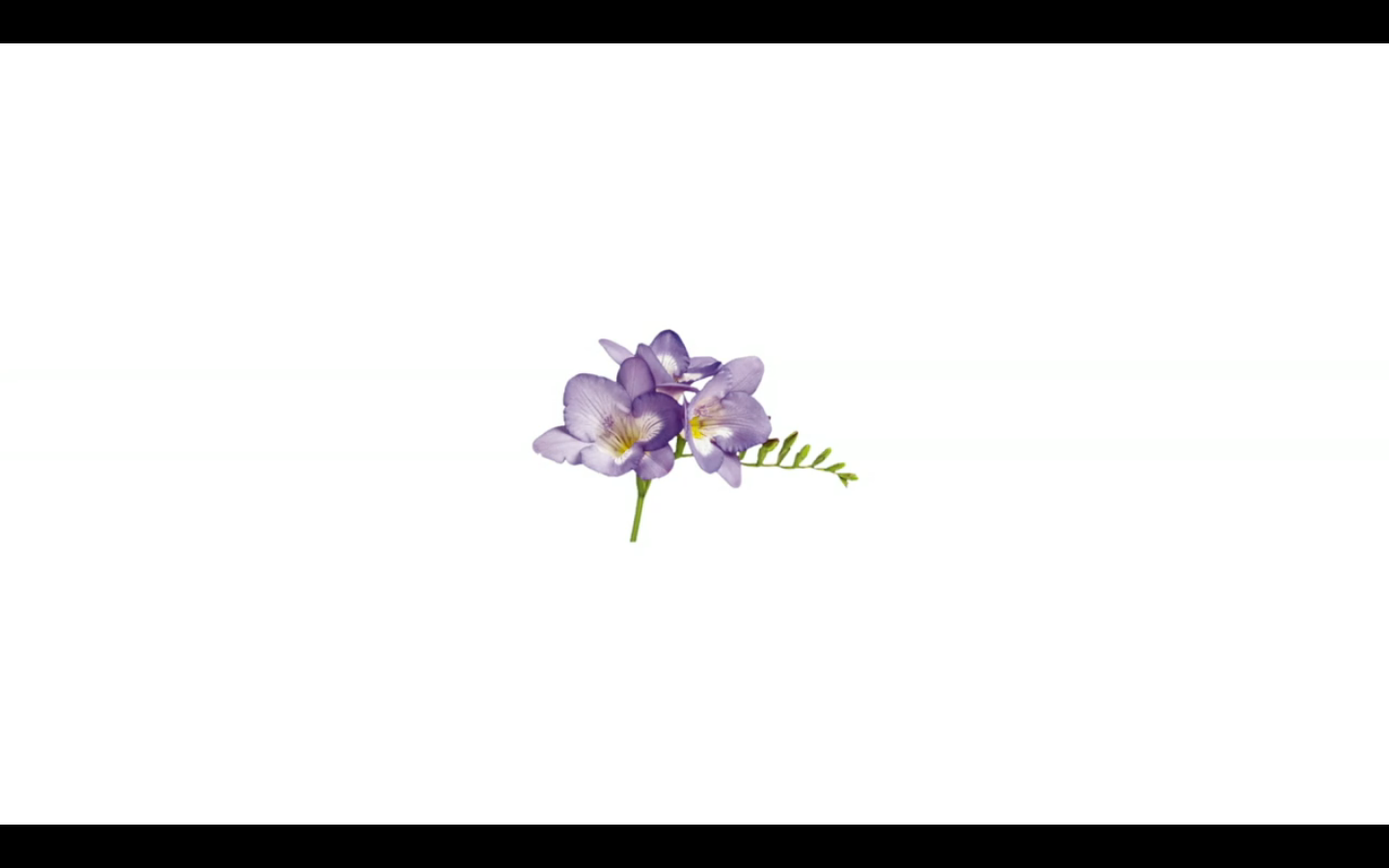
I thought, could I engineer that violet to smell just like Josephine? 


彼女の墓を訪れた時に もし 未来永劫に ナポレオンが彼女を愛したように ジョセフィーヌの香りを嗅ぐことができたら?
What if, for the rest of eternity, when you went to visit her site, you could smell Josephine just as Napoleon loved her? 

新しいタイプの哀悼の仕方や 死者を思い出す儀式を 造り出すことができたら?
Could we engineer new ways of mourning, new rituals for remembering? 

そもそも 我々は 遺伝子組み換えにより 利益を最大化するための作物や 輸送に耐える作物
After all, we've engineered transgenic crops to be maximized for profit, crops that stand up to transport, 


保存のきく作物 砂糖のように甘いのに 害虫に強い作物などを 時には栄養価を犠牲にすることで 創り出しているのです
crops that have a long shelf life, crops that taste sugary sweet but resist pests, sometimes at the expense of nutritional value. 

この技術を利用して 感情に敏感に 反応するものを作れるでしょうか?
Can we harness these same technologies for an emotionally sensitive output?


4:13

現在 私の研究室では なぜ人間が 人間らしいにおいを 発するのかを研究しています
So currently in my lab, I'm researching questions like, what makes a human smell like a human? 

そして それはかなり複雑であると 分かりました
And it turns out it's fairly complicated. 


食生活、薬、生活スタイルといった あらゆる要因が体臭に影響します
Factors such as your diet, your medications, your lifestyle all factor into the way you smell. 

汗そのものは ほとんどにおいが無く
And I found that our sweat is mostly odorless, 

細菌やマイクロバイオームが 体臭、気分 個人をその人と識別させるものや その他多くのものの 原因となっています
but it's our bacteria and microbiome that's responsible for your smells, your mood, your identity and so much beyond. 


様々な分子が 体から放出されていますが 我々は意識せず それを感知しています
And there's all kinds of molecules that you emit but which we only perceive subconsciously.


4:42

私は自分の体の 様々な場所からにおいを採取し 一覧表を作成しています
So I've been cataloging and collecting bacteria from different sites of my body. 

科学者たちに話を聞いた結果
After talking to a scientist, 

私のにおいの完全な調合には おそらく― 10%を鎖骨から 30%を脇の下から 40%をビキニラインからというように 集めれば良いと考えました
we thought, maybe the perfect concoction of Ani is like 10 percent collarbone, 30 percent underarm, 40 percent bikini line 


時々 他のラボの研究者にも わたしのにおいのサンプルを 嗅いでもらっています
and so forth, and occasionally I let researchers from other labs take a sniff of my samples. 

体というコンテクストから離れた 体臭がどう知覚されるのか 人に尋ねてみるのは とても興味深いことです
And it's been interesting to hear how smell of the body is perceived outside of the context of the body. 


得られたフィードバックは 花や鶏肉のようなにおい コーンフレークや ビーフ・カーニタスのにおいと いったものでした
I've gotten feedback such as, smells like flowers, like chicken, like cornflakes, like beef carnitas.

(笑)
(Laughter)


5:16

同時に ひと揃えの食虫植物も 育てています
At the same time, I cultivate a set of carnivorous plants 

これらの植物が獲物を引き寄せるために 肉のような香りを発するからです
for their ability to emit fleshlike odors to attract prey, 

私の細菌と この植物との間に 共生関係のようなものを 作り出そうとする試みです
in an attempt to kind of create this symbiotic relationship between my bacteria and this organism. 


私はMITでバーに いたりするんですが
And as it so happens, I'm at MIT and I'm in a bar, 

ある科学者に 話しかけたことがあります 彼は偶然にも化学者で しかも 植物研究を行う科学者でしたが
and I was talking to a scientist who happens to be a chemist and a plant scientist, 

私のプロジェクトについて 話をしたところ
and I was telling him about my project, 

「まるで孤独な女性ための 植物学のようだね」と彼は言いました
and he was like, "Well, this sounds like botany for lonely women."

(笑)
(Laughter)


5:46

私は動揺することなく 「分かったわ」と返事し
Unperturbed, I said, "OK." 

こう切り返しました 「私の愛に応えてくれる植物を 作れないかなあ?」
I challenged him. "Can we engineer a plant that can love me back?" 

彼はなぜか こう言いました 「もちろん できるさ」
And for some reason, he was like, "Sure, why not?"


5:57

まず手始めに「私を太陽のように思って 私の方に向かって― 成長する植物はできるかな?」
So we started with, can we get a plant to grow towards me like I was the sun? 

そこで屈光性といった 植物の機能を調べました
And so we're looking at mechanisms in plants such as phototropism, 

これは オーキシンという ホルモンを分泌し 日の当たらぬ側の細胞を 伸長させることで
which causes the plant to grow towards the sun by producing hormones like auxin, 

太陽に向かって 成長させる仕組みです
which causes cell elongation on the shady side. 


今は口紅を作っています
And right now I'm creating a set of lipsticks 

それには化学物質が染み込ませてあり 私は化学的シグネチャーを通じて 植物と交流できるのです
that are infused with these chemicals that allow me to interact with a plant on its own chemical signatures — 


植物に作用し 私がキスしたところが成長する口紅とか
lipsticks that cause plants to grow where I kiss it, 

私がキスすると 開花するといったことです
plants that blossom where I kiss the bloom.


6:26

これらのプロジェクトを通して こんな問いかけをしています
And through these projects, I'm asking questions like, 

自然というものの定義は?
how do we define nature? 


自然物の性質を作り変えられるなら まず自然はどう定義したらよいのか?
How do we define nature when we can reengineer its properties, 

どんな時に作り変えるべきなのか?
and when should we do it? 

利益追求のため? 実利のため?
Should we do it for profit, for utility? 

情緒的な目的のため?
Can we do it for emotional ends? 

バイオテクノロジーを音楽のように 感動を与える創作に使えるでしょうか?
Can biotechnology be used to create work as moving as music? 

科学と 情緒的な世界を形作る― 科学の力のしきいは 何なのでしょうか?
What are the thresholds between science and its ability to shape our emotional landscape?


6:51

「形態は機能に従う」という デザインの有名なマントラがあります
It's a famous design mantra that form follows function. 

今 科学、デザインと 芸術の狭間にいる私は― こう訊きたいと思います
Well, now, wedged somewhere between science, design and art I get to ask, 

もしフィクションが事実を創るしたら?
what if fiction informs fact? 

そのような研究開発ラボは どのようなものであり
What kind of R&D lab would that look like 

どのような問いを 提起していくのでしょうか?
and what kind of questions would we ask together?


7:06

技術を問題の解決策として 見るだけでなく 芸術家、デザイナーの視点で 何が問いかけられているのだろう? と考えてみたいと思います
We often look to technology as the answer, but as an artist and designer, I like to ask, but what is the question?


7:13

ありがとうございました
Thank you.

(拍手)
(Applause)


2017年5月1日月曜日

コンピュータが食物を育てる未来[Caleb Harper]


コンピュータが食物を育てる未来
This computer will grow your food in the future

ケイレブ・ハーパー
Caleb Harper


0:12

食糧危機
Food crisis. 

日頃からニュースになっています
It's in the news every day. 

どういう意味でしょう?
But what is it?


0:16

世界では場所によって 食料が不足していたり 供給過剰になったりしています
Some places in the world it's too little food, maybe too much. 

一方 GMO(遺伝子組み換え作物)は 世界を救っています
Other places, GMO is saving the world. 

GMOにも問題点があるかもしれません
Maybe GMO is the problem? 

過剰な農業排水は 海を汚染し 毒物を流入させ 栄養価を低減させています
Too much agricultural runoff creating bad oceans, toxic oceans, attenuation of nutrition. 

こんなことが 延々と続いています
They go on and on. 

環境に関するこんにちの議論には とても落胆しています
And I find the current climate of this discussion incredibly disempowering. 

どうやったら我々の知識により 解決を図れるでしょうか?
So how do we bring that to something that we understand?


0:44

リンゴの食糧問題を見てみましょう
How is this apple food crisis? 


皆さんは先週 リンゴを1つは食べた事でしょう
You've all eaten an apple in the last week, I'm sure. 

そのリンゴは摘み取ってから どの位たったものだと思いますか?
How old do you think it was from when it was picked? 

2週間?
Two weeks? 

2か月?
Two months? 

11か月 ― アメリカの食料品店に並ぶ リンゴでの平均です
Eleven months — the average age of an apple in a grocery store in the United States. 

ヨーロッパや世界の他の国でも さほど違いがあるとは思えません
And I don't expect it to be much different in Europe or anywhere else in the world. 

リンゴを摘み取り 冷蔵庫に保存し そこに 保存用の気体を封入します
We pick them, we put them in cold storage, we gas the cold storage — 

作業員がこの保存庫に入り リンゴを取ろうとして 亡くなったという記録も 残っています
there's actually documented proof of workers trying to go into these environments to retrieve an apple, and dying, 

なぜなら リンゴの腐敗を遅らせる空気は 人間にとって有毒だからです
because the atmosphere that they slow down the process of the apple with is also toxic to humans.


1:24

このことを誰も知らなかったのはなぜ?
How is it that none of you knew this? 

なぜ私は知らなかったのでしょう?
Why didn't I know this? 

リンゴに含まれる 抗酸化作用成分の90%が 食べる時までに失われています
Ninety percent of the quality of that apple — all of the antioxidants — are gone by the time we get it. 

これでは単なる糖分の塊です
It's basically a little ball of sugar. 

なぜ我々はこれほどにも 情報不足になっているのでしょう?
How did we get so information poor 

改善の手立ては?
and how can we do better?


1:42

プラットフォーム(ネット上の討論の場)が 欠けているからです
I think what's missing is a platform. 


プラットフォームと言えば
I know platforms — 

コンピュータ 若い頃 ネット上で とてもヤバイことを やりました
I know computers, they put me on the Internet when I was young. I did very weird things —

(笑)
(Laughter)


1:51

このプラットフォーム上でね
on this platform. 

しかし 人々に会ったり
But I met people, 

自己表現することもできました
and I could express myself.


1:55

食べ物を使って 自分を表現する方法は?
How do you express yourself in food? 

プラットフォームがあれば
If we had a platform, 

「もしも・・・」と問いかけることも 自在になります
we might feel empowered to question: What if? 

私の疑問はこうでした
For me, I questioned: 

もしも気候が皆にとって平等だったら?
What if climate was democratic? 

これは 世界の気候マップです
So, this is a map of climate in the world. 


生産性が高い場所は緑 低い場所は赤で示されています
The most productive areas in green, the least productive in red. 

色は移動し変化します
They shift and they change, 

カリフォルニアにあった農業の中心は 今やメキシコに移っています
and Californian farmers now become Mexican farmers. 

中国はより良い食物を ブラジルの土地で育てています
China picks up land in Brazil to grow better food, 

我々は気候に服従しています
and we're a slave to climate. 

もしそれぞれの国が 生産に適した気候を有していたら?
What if each country had its own productive climate? 

それは人々の生活を どう変化させるでしょうか?
What would that change about how we live? 

生活と栄養の質を 変えるのでしょうか?
What would that change about quality of life and nutrition?


2:35

前世代の人たちにとっての問題は より多くの食料を― 安く手にすることでした
The last generation's problem was, we need more food and we need it cheap. 

グローバル農場の世界へようこそ
Welcome to your global farm. 

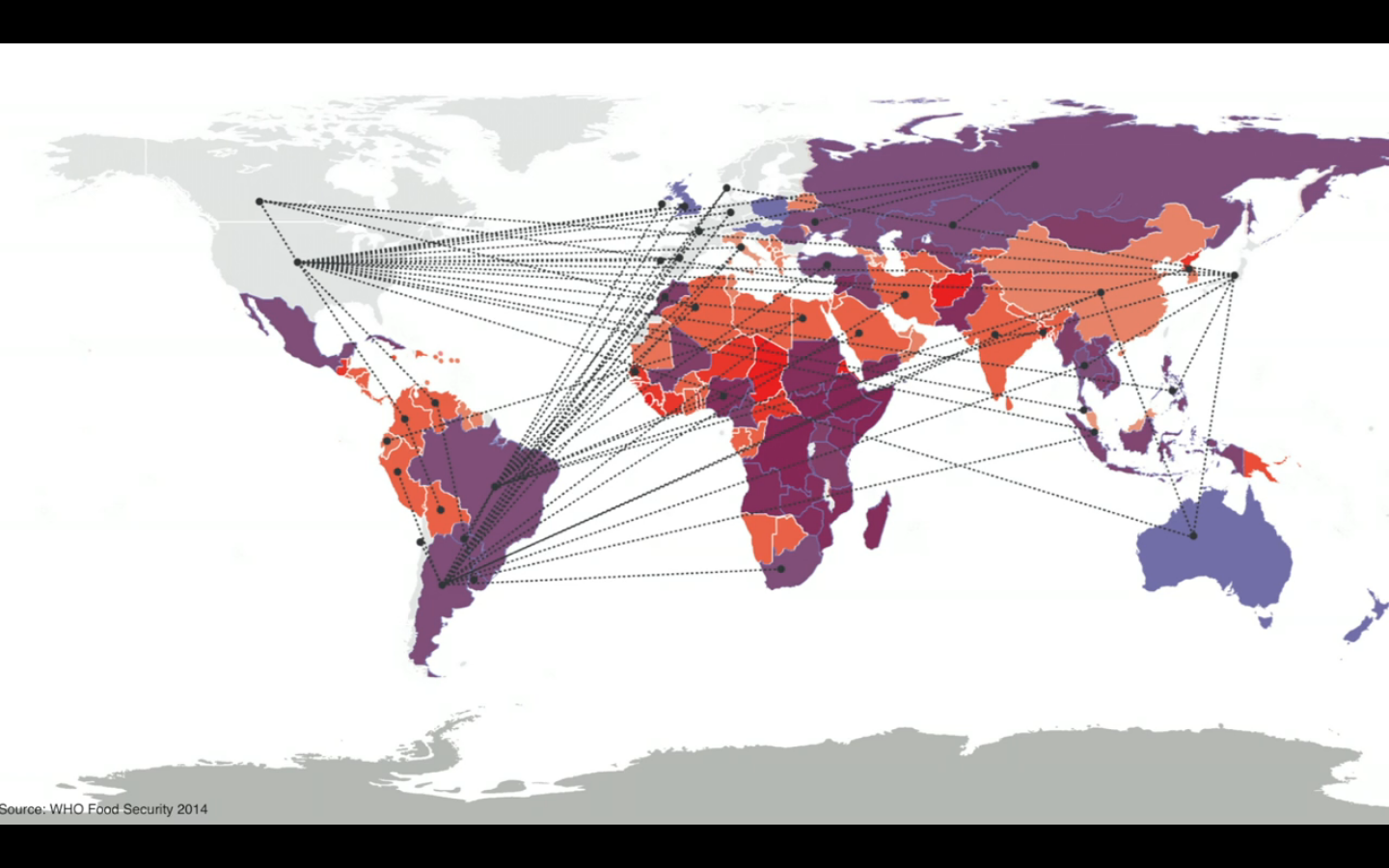
人類は巨大な アナログ農場を建設しました
We built a huge analog farm. 


ここに描かれている線は 車、飛行機、鉄道などで繋がれた 食料輸送を示します
All these traces — these are cars, planes, trains and automobiles. 

70億人の人口を支える食料が 僅かな割合の人々によって 生産されているとは奇跡的です
It's a miracle that we feed seven billion people with just a few of us involved in the production of food.


2:56

もしも・・・
What if ... 

デジタル農場を建設できたら?
we built a digital farm? 

世界に広がるデジタル農場です
A digital world farm. 

このリンゴを取り出して
What if you could take this apple, 

何らかの方法で デジタル化し
digitize it somehow, 

粒子として空気中を伝搬させ
send it through particles in the air 

別の場所で 再構成することが出来たら?
and reconstitute it on the other side? 

もしも・・・
What if?


3:14

私はここに書かれている文章を読み
Going through some of these quotes, 

刺激を受けて この研究を始めたのです
you know, they inspire me to do what I do.


3:18

1つ目―
First one:

日本の農業には若い労働力も 水も、土地も将来もないんだ
["Japanese farming has no youth, no water, no land and no future."]


3:23

これを見てその当時 私は震災を被った 福島の直ぐ [北] にある [南相馬]へと向かったのです
That's what I landed to the day that I went to Minamisanriku, one stop south of Fukushima, after the disaster. 

土地が汚染されていたため 子供たちは― 仙台や東京へと移っていきました
The kids have headed to Sendai and Tokyo, the land is contaminated, 

日本は既に70%もの食料を 輸入に頼っています
they already import 70 percent of their own food. 

食糧問題は 日本に限ったことではありません
But it's not unique to Japan. 

アメリカで 農業に携わっている人口は2%です
Two percent of the American population is involved in farming. 


どの国であろうと2%なんて 少なさで出来ることなど限られています
What good answer comes from two percent of any population? 

他の国を見渡してみると―
As we go around the world, 

アフリカの人口の50%は18歳未満です
50 percent of the African population is under 18. 

彼らの80%は 農家にはなりたくないと思っています
Eighty percent don't want to be farmers. 


農業は重労働ですから
Farming is hard. 

小規模農業を営む 農民の生活は惨めで
The life of a small-shareholder farmer is miserable. 

都市部へと流れていきます
They go into the city. 

インドでは―
In India: 

農家は水や電気の 供給すら受けておらず
farmers' families not being able to have basic access to utilities, 

今年自殺した農民の数は 過去10年間で最高でした
more farmer suicides this year and the previous 10 before that. 

実に嫌な話です
It's uncomfortable to talk about. 

農民はどこへ行くのでしょう?
Where are they going? 

都市部です
Into the city. 

若者は地元に残らず 皆が都市部へと流れ込みます
No young people, and everyone's headed in. 

では どうやったら若者に刺激を与えるような プラットフォームを構築できるでしょうか?
So how do we build this platform that inspires the youth?


4:26

新型のトラクターのご紹介!
Welcome to the new tractor. 

これが私が生み出したコンバインです
This is my combine. 


何年も前のこと
A number of years ago now, 

日用品店やDIYの店に行き 工作を始めました
I went to Bed Bath and Beyond and Home Depot and I started hacking. 

変なものを作り始めたのです
And I built silly things 

植物にダンスをさせようとして
and I made plants dance 

植物をコンピュータに接続すると 全て枯れてしまいました
and I attached them to my computer and I killed them all —

大変な数でした
a lot.

(笑)
(Laughter)


4:44

ついには枯れないように出来ました
I eventually got them to survive. 

私の人生において 最も親密な関係の1つとなるものを構築したのです
And I created one of the most intimate relationships I've ever had in my life, 

それは植物の言葉を 理解し始めたということです
because I was learning the language of plants. 

もっと大きく育てたいと願うと
I wanted to make it bigger. 

彼らは言いました
They said, 

「おおいにやれ!
"Knock yourself out, kid! 

ここには誰も入りたがらない 古い電気実験室があるだけだ
Here's an old electronics room that nobody wants. 

何が出来ると思う?」
What can you do?"


5:02

仲間と共にMITメディアラボに 農場を建設しました
With my team, we built a farm inside of the media lab, 

この場所ははこれまで 生物学ではなく
a place historically known not for anything about biology 

デジタルライフの研究所として 知られてきました
but everything about digital life. 

この約6平方メートルのスペースで
Inside of these 60 square feet, 

毎月 3百人分の 十分な食料を生産しました
we produced enough food to feed about 300 people once a month 

大量とは言えませんが・・・
— not a lot of food. 


そこには多くの興味深い技術が 投入されていますが
And there's a lot of interesting technology in there. 

その中でもっとも興味深いことは?
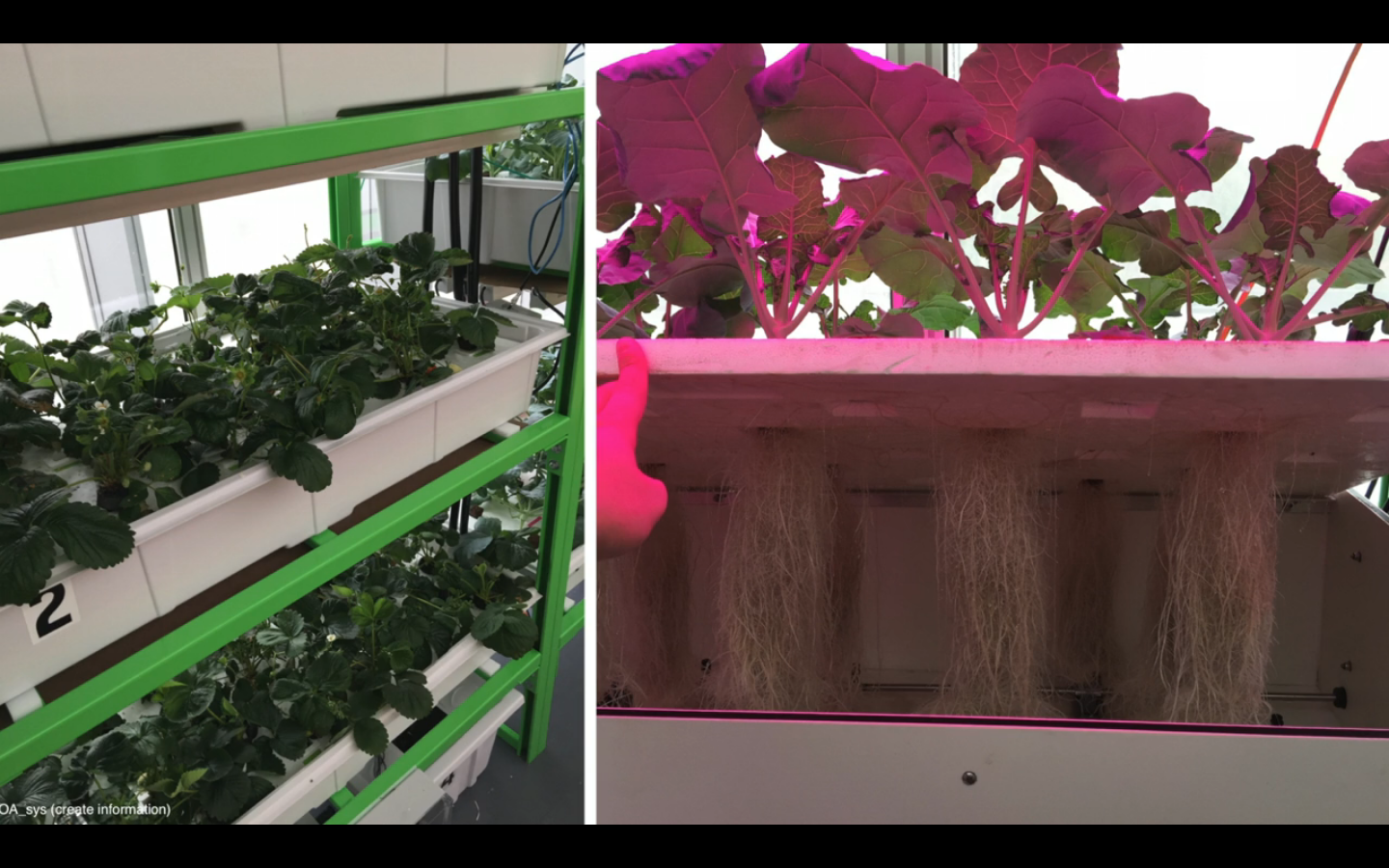
But the most interesting thing? 

美しい 白い根
Beautiful, white roots, 


濃緑色野菜
deep, green colors 


そして 毎月の刈り入れ
and a monthly harvest. 


これは新しいタイプの カフェテリアでしょうか?
Is this a new cafeteria? 


新しい小売業体験?
Is this a new retail experience? 

新しい食料品店?
Is this a new grocery store? 


ひとつ確実に言えることがあります
I can tell you one thing for sure: 

メディアラボにおいて 根から何かを摘み取った 初めての事例であることです
this is the first time anybody in the media lab ripped the roots off of anything.

(笑)
(Laughter)


5:47

袋にサラダが入っていますが
We get our salad in bags; 

何の問題もありません
there's nothing wrong with that. 

しかし 画像処理のエキスパート データ・サイエンティスト ロボットの研究者がいて 根から何かを摘みながら、こう考えたら何が起きるでしょう?
But what happens when you have an image-based processing expert, a data scientist, a roboticist, ripping roots off and thinking, 

「自分の知識を使えば こんなこと出来るさ 試してみよう」
"Huh. I know something about — I could make this happen, I want to try."


6:06

我々は ここの植物を外に持ち出す前に まずはラボに留めておこうとします
In that process we would bring the plants out and we would take some back to the lab, 

なぜって 育てたものは 捨てたくないですからね
because if you grew it, you don't throw it away; 

貴重なものなのです
it's kind of precious to you. 

私の舌は変わっていて―
I have this weird tongue now, 

まずは自分が試食します まともな食品であることを確かめるまでは 人には食べさせたくありません
because I'm afraid to let anybody eat anything until I've eaten it first, because I want it to be good. 

それで 毎日レタスを食べています
So I eat lettuce every day 

レタスのpHは 0.1以内の誤差でわかるので
and I can tell the pH of a lettuce within .1.

(笑)
(Laughter)


6:25

「ああ それはPH6.1だ
I'm like, "No, that's 6.1 

今日は食べられないよ」こんな感じです
— no, no, you can't eat it today."

(笑)
(Applause)


6:33

この日のレタスは もの凄く甘かったです
This lettuce that day was hyper sweet. 

植物がストレスにさらされ 自らを守ろうとして 内部で化学反応が起こるので とても甘くなるのです
It was hyper sweet because the plant had been stressed and it created a chemical reaction in the plant to protect itself: 

「死にたくないよ」
"I'm not going to die!" 

そんな植物の叫びが 私好みの とても甘い味にしてくれます
And the plants not-going-to-die, taste sweet to me. 

植物生理学に転向した科学技術者・・・
Technologists falling backwards into plant physiology.


6:50

この実験を他の人も行えるように しようと思いました
So we thought other people needed to be able to try this. 

何が作り出されるのか 興味津々です
We want to see what people can create, 

そこで どこにでも配達できるラボを 考えてみました
so we conceived of a lab that could be shipped anywhere. 


まずは作ってみました
And then we built it.


7:01

メディアラボの正面側に 私のラボがあります
So on the facade of the media lab is my lab, 

植物1つにつき30個程の センサーが取り付けられています
that has about 30 points of sensing per plant. 

ゲノムや遺伝子工学について ご存知でしたら
If you know about the genome or genetics, 

これはいわゆる フェノーム(表現型)です
this is the phenome, right? 

「現象」という言葉に由来します
The phenomena. 

たとえば「メキシコ産のイチゴが好みだ」 ということは
When you say, "I like the strawberries from Mexico," 

実際にはあなた好みの 味に育つような気候の下で 育ったイチゴが 好みなのです
you really like the strawberries from the climate that produced the expression that you like. 

だから その気候をプログラムで造り出せば―
So if you're coding climate — 

二酸化炭素や酸素の濃度といった 組み合わせをレシピとして
this much CO2, this much O2 creates a recipe — 

植物の風味、栄養分 大きさ、形、色や歯ごたえといったものを プログラミングするのです
you're coding the expression of that plant, the nutrition of that plant, the size of that plant, the shape, the color, the texture. 

これにはデータが必要で 状況を知るために 多くのセンサーを取り付けています
We need data, so we put a bunch of sensors in there to tell us what's going on.


7:39

室内園芸植物について思い浮かべ
If you think of your houseplants, 

これを眺めていると とても悲しくなるでしょう
and you look at your houseplant and you're super sad, 

「なぜ死にかけているの?
because you're like, "Why are you dying? 

僕に話しかけてよ」
Won't you talk to me?"

(笑)
(Laughter)


7:47

農家の人々は植物の成長を予測する 最高に素晴らしい眼力を 60歳代後半から70歳代ごろに 開花させます
Farmers develop the most beautiful fortune-telling eyes by the time they're in their late 60s and 70s. 

植物が枯れかけているとき 彼らにはその理由が 窒素不足だとか カルシウム不足とか 湿気が必要だとかが 分かります
They can tell you when you see that plant dying that it's a nitrogen deficiency, a calcium deficiency or it needs more humidity. 

この素晴らしい眼力は 継承されません
Those beautiful eyes are not being passed down.


8:02

これはある農民がクラウド上に 保存したデータです
These are eyes in the cloud of a farmer. 


データの経時変化を追い
We trend those data points over time. 

これらのデータと 個々の植物との相関をとります
We correlate those data points to individual plants. 

これらはある日の研究室のブロッコリが IPアドレスで表されたものです
These are all the broccoli in my lab that day, by IP address.

(笑)
(Laughter)


IPアドレス付与可能な ブロッコリなのです
We have IP-addressable broccoli.

(拍手)
(Applause)


8:23

まだ奇妙さが足りない とお思いならば
So if that's not weird enough, 

ここをクリックして 植物のプロフィールを見てみましょう
you can click one and you get a plant profile. 

さきほどの植物の成長に関する ダウンロード可能なデータです
And what this tells you is downloadable progress on that plant, 

おそらく皆さんの想像以上で いつ食べられるかだけでなく
but not like you'd think, it's not just when it's ready. 

自分が必要とする栄養が 得られる時期や
When does it achieve the nutrition that I need? 

好みの味になるタイミングまで 予測します
When does it achieve the taste that I desire? 


水をやりすぎていないか?
Is it getting too much water? 

日光を取り込みすぎていないか?
Is it getting too much sun? 

警告も発します
Alerts. 

私に話しかけます
It can talk to me, 

知的なんです
it's conversant, 

私と共通の 言葉を持っています
we have a language.

(笑)
(Laughter)

(拍手)
(Applause)


8:55

私は 植物界のフェースブック ユーザー第1号だと思ったりもします
I think of that as the first user on the plant Facebook, right? 

先ほどのは植物のプロフィール
That's a plant profile 

そして その植物が 友人を作り始めます
and that plant will start making friends.

(笑)
(Laughter)


9:04

より少量の窒素、より多くのリン より少量のカリウムを消費する 他の植物とは 相性が良いはずです
And I mean it — it will make friends with other plants that use less nitrogen, more phosphorus, less potassium. 

今のところ推測しかできない 植物間関係の複雑さも学んでいます
We're going to learn about a complexity that we can only guess at now. 

植物は我々を友人と認めてくれないかも―
And they may not friend us back — 

でも可能性はあります
I don't know, they might friend us back, 

それは我々の行動次第です
it depends on how we act.


9:19

これが現在の私のラボです
So this is my lab now. 


以前より少しだけ秩序だっています
It's a little bit more systematized, 

私は様々な病院でデータセンターを 整える事に経験があり
my background is designing data centers in hospitals of all things, 

管理された環境をつくることには 少し知識があります
so I know a little bit about creating a controlled environment.


9:30

それから 私はこの環境下において あらゆる実験を試みています
And so — inside of this environment, we're experimenting with all kinds of things. 

この方法 気耕栽培はNASAによって ミール宇宙ステーション向けに 宇宙空間に運び出す 水を減らすために開発されました
This process, aeroponics, was developed by NASA for Mir Space Station for reducing the amount of water they send into space. 


ここでは 植物に必要なもの― 水、ミネラルや酸素を ちょうど必要なだけ与えています
What it really does is give the plant exactly what it wants: water, minerals and oxygen. 

根の成長はシンプルで 必要なものを与えるだけで この様に見事に育ちます
Roots are not that complicated, so when you give them that, you get this amazing expression. 

植物にはまるで心臓が2つあるようです
It's like the plant has two hearts. 

2つの心臓があるので 4倍にも5倍にも速く育ちます
And because it has two hearts, it grows four or five times faster. 


完全な世界です
It's a perfect world. 

人類は長年にわたって技術を進歩させ 厳しい環境でも育つ種を得ました
We've gone a long way into technology and seed for an adverse world 

技術改革は続けられていますが
and we're going to continue to do that, 

今や新しい方法を産み出しました
but we're going to have a new tool, too, 

完全な世界です
which is perfect world.


10:11

我々は様々な種類の植物を育てました
So we've grown all kinds of things. 

この種のトマトは150年間 商業生産されていませんでした
These tomatoes hadn't been in commercial production for 150 years. 

人類は希少かつ古来の種子バンクを 持っていることをご存知ですか?
Do you know that we have rare and ancient seed banks? 

種子の貯蔵庫のことです
Banks of seed. 

素晴らしいことです
It's amazing. 

生殖質が生きたまま保存され 誰も口にしたことが無い種もあります
They have germplasm alive and things that you've never eaten. 


ラボでこのトマトを食べたのは 私だけです
I am the only person in this room that's eaten that kind of tomato. 

問題はこれはソース用トマトであり 調理法が分からないことです
Problem is it was a sauce tomato and we don't know how to cook, 

ソース用トマトを食べてみましたが 美味しくありません
so we ate a sauce tomato, which is not that great. 

タンパク質を用いて―
But we've done things with protein — 

様々なものを育ててみました
we've grown all kinds of things. 

人間だってね―
We've grown humans —

(笑)
(Laughter)


10:43

出来るかも
Well maybe you could, 

でも本当はやっていません
but we didn't.


10:44

さて分かってきたことは 装置が大型で 非常に費用がかかることです
But what we realized is, the tool was too big, it was too expensive. 

世界中に広めようと思いましたが
I was starting to put them around the world 

1千万円ほどかかる装置になりました
and they were about 100,000 dollars. 

1千万円をさっと出せる人は なかなか見つかりません
Finding somebody with 100 grand in their back pocket isn't easy, 

そこで小さなものを作ろうと思いました
so we wanted to make a small one.


10:57

このプロジェクトは 実際には私の学生の一人であり 機械工学を学ぶ学部生 カミールが進めていきました
This project was actually one of my student's — mechanical engineering undergraduate, Camille. 

カミール、私と仲間たちは 夏の間中 繰り返し実験し
So Camille and I and my team, we iterated all summer, 

より安価に より上手く機能し 誰でも作れるような ものを目指しました
how to make it cheaper, how to make it work better, how to make it so other people can make it. 

次に これを中学 高校に持ち込みました
Then we dropped them off in schools, seventh through eleventh grade. 


人にばかにされたいと思ったら
And if you want to be humbled, 

子供に何かを教えてみて下さい
try to teach a kid something.


11:17

私は学校に行って こう言いました
So I went into this school and I said, 

「湿度を65%に設定して」
"Set it to 65 percent humidity."

中1の生徒が質問します
The seventh grader said, 

「湿度ってなーに?」
"What's humidity?"

私は答えました 「空気中の水のことだよ」
And I said, "Oh, it's water in air."

彼は言い返します
He said, 

「空気に水なんてないね
"There's no water in air, 

バカじゃない」
you're an idiot."

(笑)
(Laughter)


11:28

私もこう返します
And I was like, 

「私を信じなくてもいいさ
"Alright, don't trust me. 

信じ無くていい
Actually — don't trust me, right? 

100%に設定してみて」
Set it to 100. 

彼は100%に設定し―何が起こるかって?
He sets it to 100 and what happens? 

水分が凝集し 霧となって
It starts to condense, make a fog 

ついに水滴が落ちてきます
and eventually drip.

彼は「なんだ 湿度って雨のことだね
And he says, "Oh. Humidity is rain. 

何でそう言ってくれなかったの?」
Why didn't you just tell me that?"

(笑)
(Laughter)


11:46

我々はまるでゲームのような 入力画面を作りました
We've created an interface for this that's much like a game. 


3次元表示です
They have a 3D environment, 

世界中のどこからでも ログインできます
they can log into it anywhere in the world 

スマートフォンでもタブレットでもOK
on their smartphone, on their tablet. 

ボット(栽培器)の 様々な装置やセンサーを操作できます
They have different parts of the bots — the physical, the sensors. 


世界中の他の子どもたちが 作ったレシピを 選んでもよし
They select recipes that have been created by other kids anywhere in the world. 

レシピを選んで起動すると
They select and activate that recipe, 

苗木が植えられます
they plant a seedling. 

成長の間も 変化を与えられます
While it's growing, they make changes. 

「植物はなぜCO2を必要とするの?
They're like, "Why does a plant need CO2 anyway? 

有害では?
Isn't CO2 bad? 

人を殺してしまうよね」 なんて言葉も聞かれます
It kills people." 

CO2濃度を上げると 植物は死にます
Crank up CO2, plant dies. 

CO2を下げると 植物はとても元気になります
Or crank down CO2, plant does very well. 

植物を収穫が済むと 新しいデジタル・レシピの出来上がり
Harvest plant, and you've created a new digital recipe.


12:20

繰り返しデザインし 開発し 探求するプロセスです
It's an iterative design and development and exploration process. 

彼らが開発した 新しい植物に関するデータや 新しいデジタル・レシピを ダウンロードできます
They can download, then, all of the data about that new plant that they developed or the new digital recipe 

そして変更点は― 効果的か 逆だったのか?
and what did it do — was it better or was it worse? 

これらが開発プロセスの 核心部分だと考えて下さい
Imagine these as little cores of processing. 

我々は多くを学ぶでしょう
We're going to learn so much.


12:38

これはフード・コンピュータと 我々が呼んでいるものです
Here's one of the food computers, as we call them, 

学校での3週間
in a school in three weeks' time. 


3週間でこれだけ成長します
This is three weeks of growth. 

もっと大切なことは
But more importantly, 

この子が初めて 「自分も農民になれるかな」と思ったこと
it was the first time that this kid ever thought he could be a farmer — 

もしかすると 「農民になりたいと」と思ったかも
or that he would want to be a farmer.


12:55

そこで我々はデータを 全てオープンにしました
So, we've open-sourced all of this. 

全てオンラインです 
It's all online; 

家で フード・コンピュータを組み立ててみましょう
go home, try to build your first food computer. 


ちょっと難しいかもしれません
It's going to be difficult —

でも― 始まったばかりの試みですが
I'm just telling you. We're in the beginning, 

全てが整っています
but it's all there. 

簡単に入手できることが とても重要なことです
It's very important to me that this is easily accessible. 

もっと身近なものにして行きます
We're going to keep making it more so.


13:09

彼らは農民 電気技師 機械技師
These are farmers, electrical engineer, mechanical engineer, 

環境技師 コンピュータ科学者 植物科学者、
environmental engineer, computer scientist, plant scientist, 

経済学者や 都市計画家です
economist, urban planners. 

1つのプラットフォーム上で 自分の得意なことを行います
On one platform, doing what they're good at. 

このラボでは 手狭になってきました
But we got a little too big.


13:23

これが私が使い始めたばかりの 新しい施設です
This is my new facility that I'm just starting. 


このような倉庫は どこにでもあるでしょう
This warehouse could be anywhere. 

それが選んだ理由です
That's why I chose it. 

倉庫の中で こんなものを 作ろうとしています
And inside of this warehouse we're going to build something kind of like this. 


これは既に実在しています
These exist right now. 

ご覧ください
Take a look at it. 


こちらも既にあります
These exist, too. 

それぞれ緑色野菜と エボラワクチンを 育てています
One grows greens, one grows Ebola vaccine. 

国防高等研究計画局のグランド・チャレンジで これらの植物が優勝した理由の1つが エボラ研究で先行していたことです 素晴らしいことです
Pretty amazing that plants and this DARPA Grand Challenge winner is one of the reasons we're getting ahead of Ebola. 

この植物はエボラに抵抗力のある タンパク質を生成します
The plants are producing the protein that's Ebola resistant. 

医薬品、栄養補助食品から レタスに至ります
So pharmaceuticals, nutraceuticals, all they way down to lettuce.


14:00

レタスとは全く似ていませんが
But these two things look nothing alike, 

これこそ私が研究する分野です
and that's where I am with my field. 

全ての点で異なっています
Everything is different. 

我々はまだ初期のカオス状態にあって―
We're in that weird "We're alright" stage and it's like, 

まるで「当社のブラックボックスです—」
"Here's my black box —" 

「僕のを買いなよ」
"No, buy mine." 

「だめだ とても貴重な知的所有権は 僕が保有しているんだ
"No, no, no — I've got intellectual property that's totally valuable. 

彼のはダメ 僕のを買って」
Don't buy his, buy mine."


14:17

実際のところは まだ始まったばかりで
And the reality is, we're just at the beginning, 

社会が変わろうと しているところです
in a time when society is shifting, too. 

より多くの安価な 食品を求める一方
When we ask for more, cheaper food, 

より良質な環境に優しい食品を 求めるようになっているのです
we're now asking for better, environmentally friendly food. 

いつの時でも最も怪しい食べ物とされていた チキンナゲットの中身を マクドナルドが公表したということは
And when you have McDonald's advertising what's in the Chicken McNugget, the most mysterious food item of all time — 

彼らは世の中の変化に合わせて マーケティングを 行っていることを示しています
they are now basing their marketing plan on that — everything is changing.


14:39

では現代の世界について 見てみましょう
So into the world now. 

個人用のフード・コンピュータ
Personal food computers, 


フード・サーバー
food servers 


それにフード・データ・センターが― オープン型フェノームで 運用されます
and food data centers run on the open phenome. 


オープンゲノムと異なり 我々のは 気候のレシピが少し加えられた ウィキのようなものです
Think open genome, but we're going to put little climate recipes, like Wikipedia, 

プルダウンメニューから選んで起動し 成長させることが出来ます
that you can pull down, actuate and grow.


15:02

この試みは世界的には どう見えるでしょう?
What does this look like in a world? 

世界は線で結ばれていたことを 覚えていますか?
You remember the world connected by strings? 

まずは発振器を設置し
We start having beacons. 

食糧そのものを 送るのではなく 食糧に関する情報の 発信を始めます
We start sending information about food, rather than sending food. 

単に私の幻想ではなく
This is not just my fantasy, 

既に このような場所で 広めています
this is where we're already deploying. 


フード・コンピュータと フード・サーバー それにフード・データ センターも出来て
Food computers, food servers, soon-to-be food data centers, 

情報の共有により 人々が繋がっていきます
connecting people together to share information.


15:23

将来の食糧供給とは 内包する欠点と戦うことではありません
The future of food is not about fighting over what's wrong with this. 

欠点が何かは分かっています
We know what's wrong with this. 

将来の食糧供給は次の10億人の農民をつなぐ ネットワークのことであって
The future of food is about networking the next one billion farmers 

プラットフォームの提供により 問題の提起と解の提供を可能にします
and empowering them with a platform to ask and answer the question, 

「もしも・・・」
"What if?"


15:43

ありがとうございました
Thank you.

(拍手)
(Applause)